How to Stop Condensation on Windows
10 June 2026 Joe HartleyBeginner1–2 hours to set habits; longer if you add film or a dehumidifier5 comments
Tools
- Microfibre cloths
- Hygrometer (optional but useful)
- Dehumidifier (optional)
- Secondary glazing film kit (if glass stays icy)
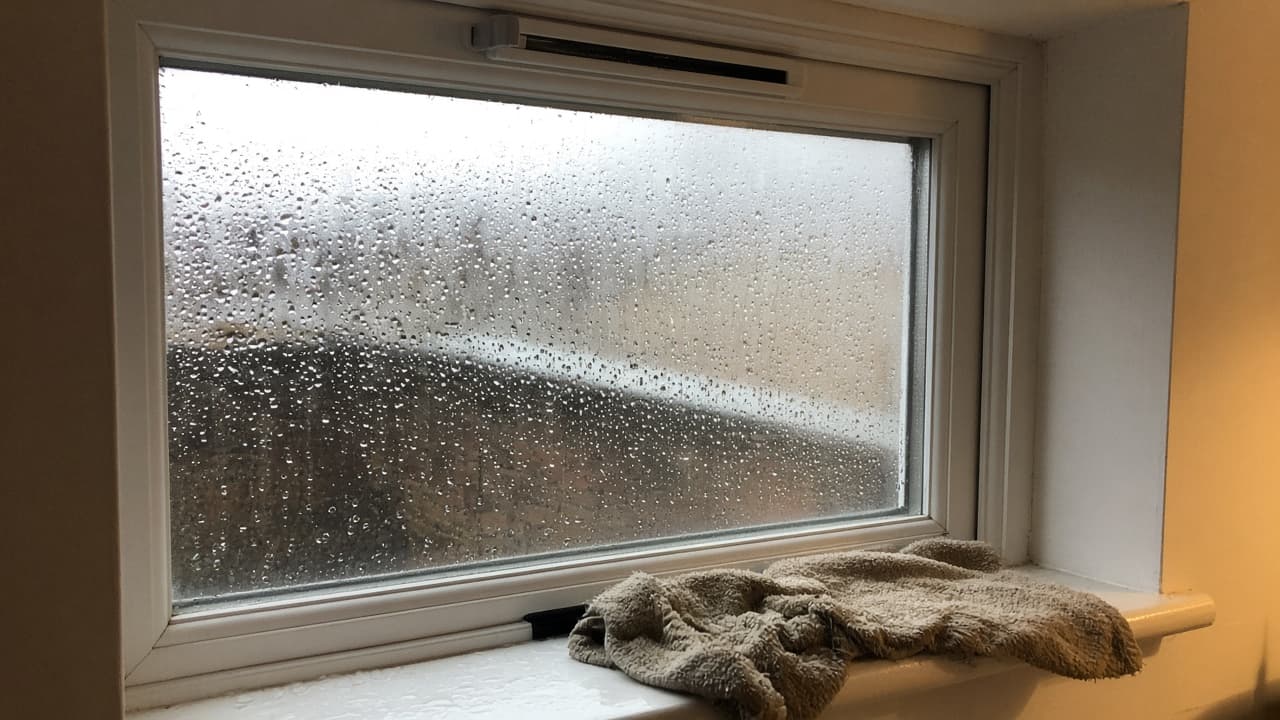
Window condensation is indoor moisture hitting cold glass. In British homes that usually means single glazing, cold reveals, drying laundry indoors, and shut trickle vents. Wiping every morning treats the symptom. The lasting fix is less water vapour in the air, a slightly warmer glass face, or both.
If the wet sits between sealed double-glazed panes, that is a failed unit, not room condensation. Film will not clear it; you need the unit replaced.
Ventilation, heating, or glazing?
Pick the lever that matches what you see. Most homes need a mix, not one heroic buy.
| Lever | Use it when | Typical first moves |
|---|---|---|
| Ventilation | Heavy mist after showers, cooking, or indoor drying; rooms smell stale | Extractors on, trickle vents open, short purge vents, dry clothes elsewhere |
| Heating | Glass streams on cold nights even when you are careful with steam; radiators off or blocked | Low steady heat, furniture off radiators, curtains open by day |
| Glazing / secondary | Glass stays icy after habits improve; single panes or failed seals | Film, panels, or reglazing |
A hygrometer helps. If bedroom relative humidity sits high for days, ventilation and moisture sources matter more than another tube of anti-mould spray. If humidity is modest but the pane is freezing to the touch, the glass (or the cold reveal) is the weak link.
Wrong damp type wastes money. Low tide marks and salty skirtings are not a window job; compare causes in treat mould on walls safely.
Cut the moisture load
- Run extractors properly. Bathroom and kitchen fans should clear steam, not just make a noise for two minutes. Leave them on after you leave the room when the switch allows.
- Open trickle vents. Closing every vent “against the cold” traps vapour that then hits the coldest glass.
- Stop radiator laundry where you can. A vented tumble dryer or a closed room with a dehumidifier beats wet clothes on a bedroom radiator overnight.
- Purge-vent briefly. A 5–10 minute window open on opposite sides after cooking or bathing dumps humid air faster than a cracked window all day in midwinter.
- Wipe once, then change habits. Morning wipe-downs are fine as a holding pattern. If you still fill a towel daily after a week of better venting, move to heat and glazing steps.
For a fuller room-scale plan in a cold bedroom, use how to stop condensation in a north-facing bedroom. Edge seals still help once moisture is under control: how to draught-proof windows and doors.
Warm the glass and the room
Cold glass is a magnet. You do not need tropical temperatures; you need fewer sharp overnight crashes.
- Keep a low background heat in rooms that stream every clear frosty night.
- Pull heavy curtains clear of the sill by day so sun and room heat can reach the pane. At night, curtains that seal against the wall can trap a cold pocket on the glass; a small gap at the sill helps air move.
- Do not block radiators under windows with sofas or long curtains tucked behind the radiator shelf.
- A small dehumidifier in the worst bedroom overnight can pull litres from the air while you sleep. Empty it in the morning; a full tank does nothing.
If mould has already bloomed on reveals or nearby walls, clean it properly with how to treat mould on walls safely rather than bleaching and hoping.
Upgrade the cold surface (when habits are not enough)
When the room is managed and the glass still weeps:
| Upgrade | Notes |
|---|---|
| Secondary glazing film | Cheap seasonal seal; see how to fit secondary glazing film |
| Secondary panels | Openable, tidier, more cost |
| New sealed units | Right answer for mist between panes or rotten frames |
North-facing bedrooms often need the habit work and a warmer glass face. That room-specific path is how to stop condensation in a north-facing bedroom.
Common mistakes
- Sealing the house airtight with film, draught excluders, and closed vents while still drying washing indoors.
- Cranking heat for an hour then letting the room crash cold overnight. Warm moist air on icy glass is the classic morning flood.
- Assuming every wet window means “buy new double glazing” before checking failed seals versus room-side mist.
- Painting over black spots on the reveal without washing or fixing moisture.
- Using a dehumidifier with windows wide open all day. You dry the street, not the room.
When to call a pro
Call a window company if sealed units are misted inside, frames are rotten, or openings are out of square. Call a damp specialist if wet patches track from gutters, roofs, or ground level rather than glass. Renters should log condensation and mould for the landlord; do not keep quiet while wallpaper peels.
Same-cluster next steps: fit secondary glazing film, treat mould on walls safely, draught-proof windows and doors, and stop condensation in a north-facing bedroom.
FAQ
Is condensation on windows rising damp?
Almost never. Rising damp sits low on walls with salts and soft plaster. Window mist is vapour from indoor air on cold glass. If the bloom sits low with crumbling skirting, treat it as a damp diagnosis job, not a window wipe.
Should I keep windows closed in winter to stay warm?
You still need controlled ventilation. Short purge vents and open trickle vents beat a sealed damp room. Trapped moisture costs more in mould and ruined paint than a few minutes of cool air.
Why is only one window streaming?
That pane is colder (orientation, curtains, radiator off) or that room makes more moisture (en-suite, indoor drying, door shut on a wet bathroom). Fix the local cause before replacing every window.
Will secondary glazing stop all condensation?
It helps the glass. It will not offset a household that produces a lot of steam with no extract. Fix moisture load first, then add film or panels if the pane still runs cold.
5 comments